
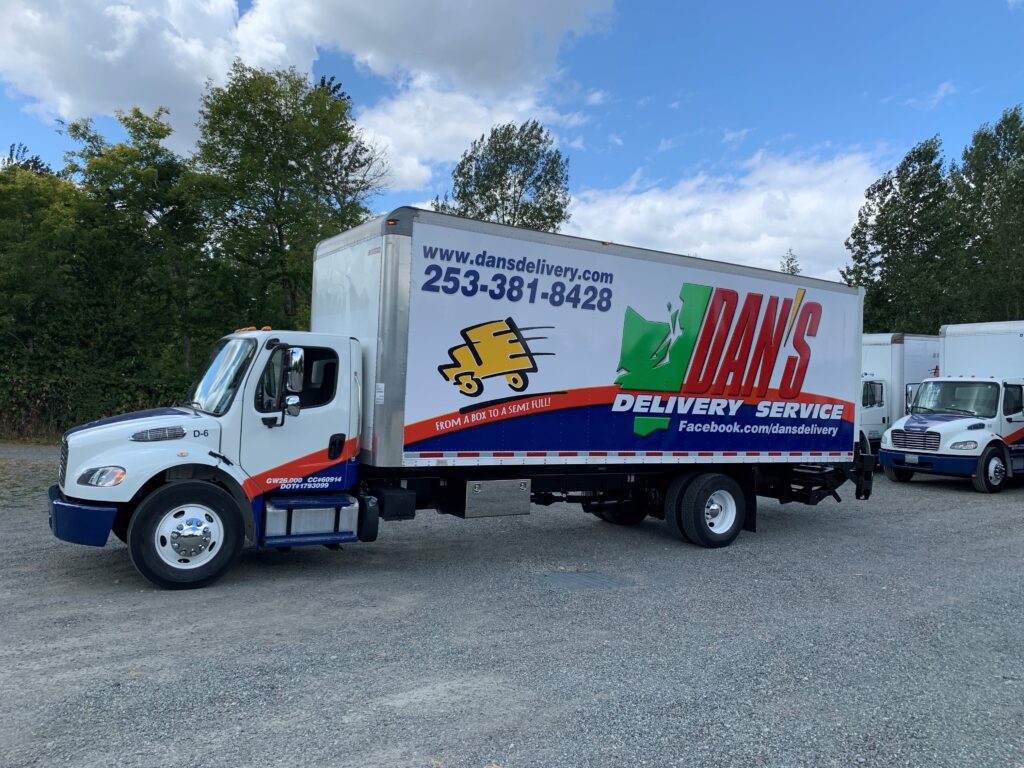
Traditional LTL freight hubs across the Pacific Northwest are becoming prime targets for organized cargo theft due to high freight volume, multiple handling points, and digital vulnerabilities. A point-to-point, no-transload delivery model reduces exposure by limiting touchpoints and eliminating transfer hubs, making it a more secure shipping alternative for high-value freight.
Cargo theft is no longer a fringe risk; it’s a calculated, organized threat targeting the heart of modern supply chains. Across the Pacific Northwest, shippers are facing record-setting losses tied to increasingly coordinated criminal operations that exploit both physical access points and digital logistics systems.
Cargo theft in 2026 reflects a shift toward strategic, data-driven crime. Organized groups are no longer relying on chance opportunities. Instead, they are targeting shipments with precision, using technology to identify high-value freight and intercept it at vulnerable points.
The Pacific Northwest has a unique risk environment. Major ports, dense urban delivery zones, and a high volume of LTL freight shipping activity create a steady flow of goods through centralized hubs. These hubs, while efficient, create predictable patterns that are easy to study and exploit.
Freight sitting in terminals, waiting for transfer, is especially vulnerable. Criminal networks track these patterns, identifying when shipments remain idle and when oversight is limited. As a result, traditional systems are being tested in ways they were never designed to withstand.
This growing sophistication in cargo theft is forcing shippers to rethink how freight moves through the region.
Table of Contents
What are the Hidden Risks of Traditional LTL Freight Shipping?
LTL freight shipping depends on consolidation, where multiple shipments share space and move through a network of terminals before reaching their destination. While this approach supports cost efficiency, it introduces layers of risk that compound with every transfer. These layers of risk include:
- Multiple handling points increase the chance of theft or damage
- Freight sits in terminals, creating predictable windows for targeting
- Digital tracking systems can be intercepted or manipulated
- Cross-docking processes expose shipments to unauthorized access
Each additional touchpoint creates another opportunity for disruption. A shipment may pass through several facilities, each with its own staff, security measures, and processes. This fragmented chain of custody makes it difficult to maintain consistent oversight.
In high-traffic regions like Seattle, these risks become even more pronounced, especially for businesses moving valuable or time-sensitive goods.
What is “Digital Hijacking” in Freight Logistics?
Digital hijacking has emerged as one of the most concerning developments in cargo theft. Instead of physically stealing freight from a trailer, criminals intercept shipment data and redirect deliveries using fraudulent credentials.
This method relies on gaps in communication between brokers, carriers, and warehouses. When information passes through multiple systems and stakeholders, verifying authenticity is much more challenging.
In traditional LTL freight shipping, where shipments change hands frequently, these vulnerabilities increase. Criminals may pose as legitimate carriers, reroute shipments, or alter delivery instructions without immediate detection.
Reducing these risks requires tighter control over both physical handling and digital communication. A simplified delivery chain helps close these gaps and strengthens overall security.
What Is No-Transload Shipping?
No-transload shipping offers a fundamentally different approach. Instead of moving freight through a network of terminals, shipments travel directly from pickup to destination on a single truck.
This point-to-point model removes intermediate stops and eliminates the need for cross-docking. Freight stays in one place throughout the journey, reducing handling and maintaining a clear chain of custody.
For businesses in the Pacific Northwest, this approach aligns with the growing need for secure freight shipping in Seattle and surrounding areas. Fewer transfers mean fewer risks, both physically and digitally.
By keeping shipments on a direct path, no-transload shipping gives you greater visibility and control from start to finish.
What Are the No-Transload LTL Benefits for Secure Freight Shipping Seattle?
The advantages of a no-transload shipping model extend beyond simplicity. For companies concerned about cargo theft, the benefits directly address the most common points of vulnerability. With no-transload shipping, you get:
- Direct routes that eliminate terminal exposure
- Single-driver accountability that improves chain-of-custody integrity
- Reduced handling that lowers damage and loss risk
- Limited data sharing that decreases digital interception opportunities
These benefits translate into stronger security outcomes for businesses operating in high-risk environments. With fewer variables involved, shipments move with greater predictability and less exposure.
For companies prioritizing secure freight shipping in Seattle, this model offers a clear path toward reducing risk while maintaining efficiency.
Compare Traditional LTL Shipping vs. No-Transload Shipping
Choosing the right shipping model is a critical decision as cargo theft risks and operational challenges continue to rise. A side-by-side comparison between traditional LTL freight shipping and a no-transload approach helps clarify how each model performs in terms of security, efficiency, and overall reliability.
| Feature | Traditional LTL Freight Shipping | No-Transload Shipping |
| Handling Points | Multiple | Single |
| Theft Risk | High | Low |
| Transit Time | Variable | Faster |
| Chain of Custody | Fragmented | Continuous |
| Digital Vulnerability | Elevated | Reduced |
| Freight Visibility | Limited at transfer points | Consistent |
This comparison makes one point clear: reducing complexity leads to stronger control over freight movement, helping businesses lower risk while maintaining more consistent delivery performance.
What Does Cargo Theft Look Like for Businesses?
When cargo theft occurs, the impact goes far beyond the value of the stolen goods. Businesses face delayed shipments, lost revenue, and strained customer relationships.
In many cases, replacement shipments must be expedited, increasing costs and disrupting inventory planning. Insurance claims add another layer of complexity, with investigations that take time and resources.
For companies operating on tight margins, even a single incident can create ripple effects across operations. Preventing theft becomes more than a security measure; it becomes a critical business strategy.
Understanding these consequences reinforces the importance of choosing a more secure shipping model.
Why Are Pacific Northwest Shippers Making the Shift to No-Transload Shipping?
Businesses across the region are reevaluating logistics strategies in response to rising cargo theft. Industries such as construction, retail, and technology face increased exposure due to the high value and demand for their goods.
Seattle’s role as a major logistics hub makes it a focal point for both commerce and organized crime. As a result, shippers are placing greater emphasis on reliability, visibility, and control.
A no-transload approach aligns with these priorities by simplifying the shipping process and reducing risk at every stage. Companies are recognizing that fewer touchpoints lead to better outcomes.
This shift reflects a broader trend toward secure, streamlined logistics solutions.
How Does Dan’s Delivery Provide a More Secure Shipping Alternative?
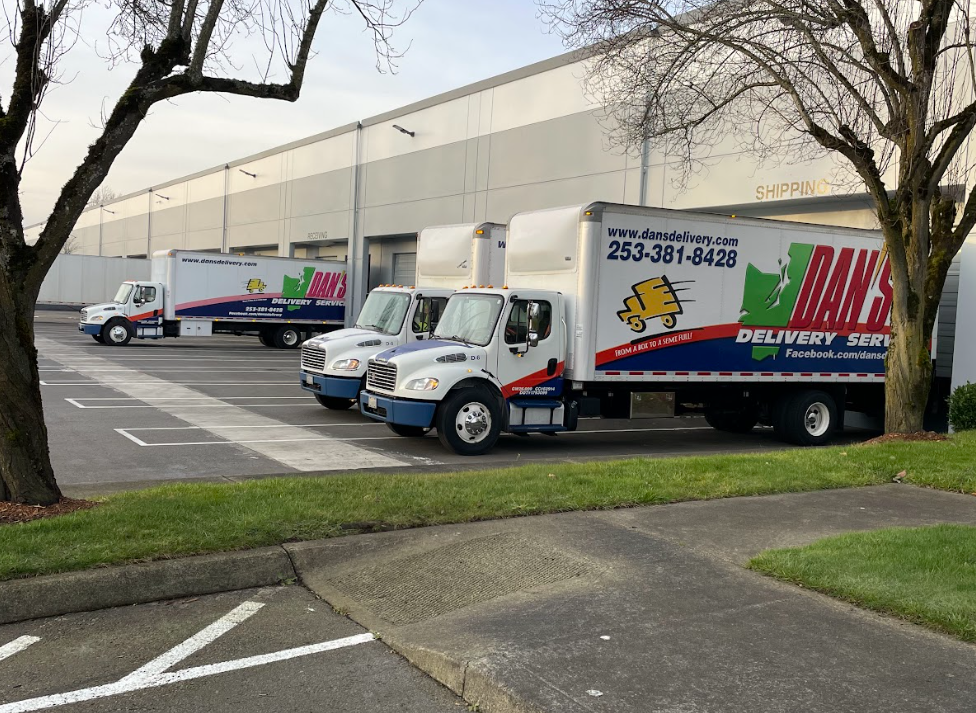
Dan’s Delivery offers a streamlined, point-to-point approach designed to address the challenges of modern cargo theft. Shipments typically move directly from Dock A to Dock B on a single truck, maintaining a controlled chain of custody and reducing unnecessary handling.
While the industry commonly defines transloading as transferring freight between different modes of transportation, such as rail to truck, truck-to-truck transfers can also fall under that definition.
We operate outside of a traditional transload model. Freight remains under direct carrier control, without the involvement of third-party warehouses or transloading facilities.
On a limited basis, shipments may be transferred between trucks to support routing efficiency or scheduling needs. These controlled transfers are handled internally and strategically, avoiding the risks associated with multi-tenant terminals or external handling environments.
By maintaining oversight from pickup through delivery and limiting exposure to external facilities, we provide a secure freight shipping solution in Seattle that aligns with the needs of businesses moving high-value goods.
Choose No-Transload Shipping to Counter Cargo Theft
Cargo theft continues to rise as criminal tactics become more advanced and targeted. Traditional logistics systems, with multiple handling points and complex communication chains, present clear opportunities for exploitation.
A no-transload shipping model reduces these risks by simplifying the delivery process and maintaining control from start to finish.
If you’re seeking greater security and reliability, reach out to us to take advantage of no-transload shipping for a practical and effective solution in an increasingly challenging environment.