LTL shipping consolidation lowers high July fuel costs for Snohomish County businesses by combining multiple partial shipments into shared truckloads. This approach keeps local distribution humming smoothly without the cost of a dedicated fleet, reduces fuel surcharges, improves trailer efficiency, and helps companies maintain reliable deliveries while protecting profit margins during the busiest summer shipping season.
Every extra mile in July carries a higher price tag. So, why pay for empty trailer space?
Summer brings a surge in freight movement across Washington as retailers, manufacturers, contractors, and suppliers work to meet seasonal demand. At the same time, vacation travel increases traffic congestion, fuel demand climbs, and transportation expenses place additional pressure on operating budgets.
For businesses throughout Snohomish County, these conditions create a challenging balance between meeting customer expectations and controlling transportation costs.
Many organizations still rely on shipping methods that leave trailers partially empty or require paying for an entire truck when only a portion of the available space gets used. That approach becomes increasingly expensive as fuel prices rise and freight capacity tightens during July.
A smarter shipping strategy focuses on maximizing every available mile rather than paying for unused trailer space. This simple shift helps you maintain dependable delivery schedules while protecting your bottom line.
Every transportation decision made during peak summer months carries financial consequences, making efficiency more valuable than ever. Let’s look at how LTL shipping consolidation lowers high July fuel costs.
What Is LTL Shipping and Why Does Consolidation Matter?
LTL shipping stands for Less-Than-Truckload shipping, a transportation model designed for businesses whose shipments fill only part of a trailer. Rather than reserving an entire truck, multiple companies share the same vehicle, with each paying only for the space their freight occupies.
This shared approach creates several financial advantages:
- Businesses pay for the trailer space they actually need
- Freight trucking carriers maximize trailer capacity across multiple customers
- Fuel expenses spread across several shipments instead of one
- Fewer trucks travel identical routes, reducing unnecessary mileage
Instead of running half-empty trailers throughout Western Washington, freight networks become more efficient through carefully planned consolidation. Every shipment contributes toward filling available capacity while maintaining scheduled delivery routes.
For Snohomish County manufacturers, distributors, wholesalers, and commercial suppliers, this means access to dependable transportation without investing in dedicated trucking resources.
Consolidation transforms unused trailer space into measurable savings while improving overall transportation efficiency. LTL shipping networks make every mile work harder for everyone involved.
How Does LTL Shipping Lower July Fuel Costs?
Fuel surcharges represent one of the largest variable expenses in commercial transportation. When diesel prices climb during busy summer months, carriers adjust surcharge formulas to offset rising operating expenses.
With dedicated truckloads, a single customer absorbs nearly every fuel-related expense attached to that trip. Under partial load freight shipping, those same fuel costs become distributed among multiple customers sharing the trailer.
Imagine three companies each shipping pallets along similar delivery routes throughout Western Washington. Rather than sending three trucks with partially filled trailers, one consolidated shipment carries all three deliveries.
Here’s a little more on dedicated truckloads vs. consolidated LTL shipping:
| Shipping Method | Dedicated Truckload | Consolidated LTL Shipping |
| Trailer Capacity Used | 35–60% | 85–100% |
| Fuel Cost Distribution | Single customer | Shared among multiple shippers |
| Fuel Surcharge Impact | Highest | Significantly reduced |
| Overall Transportation Efficiency | Lower | Higher |
| Opportunity to Lower Logistics Costs | Limited | Excellent |
Higher trailer utilization means fewer trucks consume fuel while transporting the same volume of freight. That operational efficiency directly supports lower logistics costs for businesses throughout Snohomish County.
Every gallon of fuel moves more freight, creating savings that ripple throughout the supply chain. Better trailer efficiency becomes one of the strongest defenses against seasonal transportation cost increases.
Why Does Shared Capacity Improve Local Distribution?
Local distribution depends on consistency more than speed alone. Customers expect products to arrive when promised, inventory managers need predictable replenishment schedules, and businesses benefit from transportation partners that keep freight moving despite seasonal challenges.
Consolidated shipping strengthens local distribution because carrier networks plan routes based on overall freight volume rather than individual shipments. Every truck leaves with fuller trailers, allowing transportation companies to maintain reliable schedules while reducing unnecessary trips.
This balanced approach supports businesses serving Everett, Lynnwood, Marysville, Arlington, Monroe, and surrounding Snohomish County communities.
Shared transportation networks also create flexibility during busy shipping periods. Rather than waiting until enough freight accumulates for a dedicated truck, you gain access to scheduled carrier routes moving throughout the region every day.
Reliable scheduling supports:
- Better inventory planning
- Improved warehouse efficiency
- More predictable customer deliveries
- Reduced transportation waste
Steady freight movement keeps products flowing smoothly across local supply chains, even during July’s busiest shipping season.
How Does LTL Shipping Support Environmental Responsibility?
Efficiency benefits extend beyond financial savings. Every consolidated shipment reduces the number of trucks needed on Washington highways, lowering overall fuel consumption and decreasing transportation-related emissions.
Fewer vehicles carrying fuller trailers create meaningful environmental improvements while supporting commercial growth.
When freight trucking carriers maximize available trailer space, several positive outcomes follow:
- Reduced diesel consumption per shipment
- Lower greenhouse gas emissions
- Less highway congestion
- Improved equipment productivity
- Better overall fleet efficiency
Businesses increasingly evaluate transportation partners based on sustainability alongside cost and reliability. Shipping consolidation aligns naturally with those goals because maximizing trailer capacity reduces wasted fuel without sacrificing service quality.
For companies looking to strengthen environmental initiatives while maintaining competitive shipping expenses, LTL consolidation provides measurable value.
Responsible transportation choices contribute to healthier communities while supporting long-term operational success.
What Types of Businesses Benefit Most from Partial Load Freight Shipping?
Many companies assume LTL shipping serves only small businesses. In reality, organizations of nearly every size benefit whenever shipments fill only part of a trailer.
Businesses that regularly ship several pallets instead of full truckloads usually experience the greatest financial advantages.
Examples include manufacturers shipping replacement parts, wholesale distributors supplying retail stores, commercial equipment providers, building material suppliers, food distributors, packaging companies, medical suppliers, and industrial product manufacturers.
Seasonal businesses also benefit during summer demand spikes. Rather than scheduling dedicated trucks for fluctuating order volumes, consolidated shipping allows transportation capacity to expand alongside customer demand.
Even companies experiencing steady year-round sales appreciate the flexibility that comes from paying only for the space required on each shipment.
As shipping volumes change throughout the year, LTL networks adapt without requiring businesses to maintain expensive transportation assets or oversized logistics budgets.
Why Choose Dan’s Delivery for Smarter LTL Shipping Solutions?
Finding the right transportation partner makes every efficiency strategy more valuable. Businesses need a logistics provider that understands local distribution patterns, regional delivery routes, and the challenges facing Washington companies during peak shipping seasons.
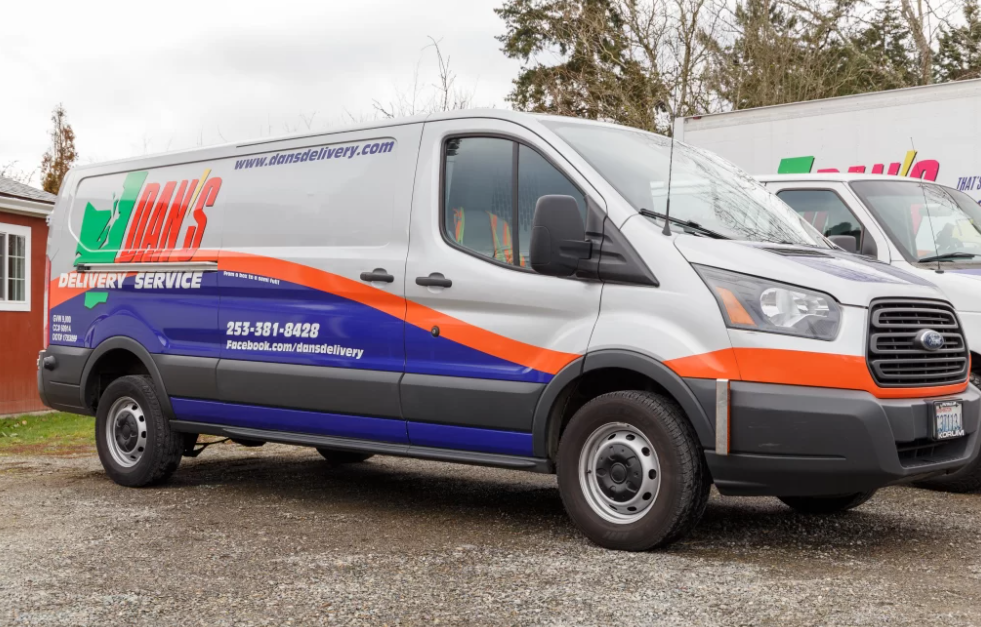
Dan’s Delivery provides dependable transportation solutions designed around flexibility, reliability, and customer service. Whether a shipment requires LTL shipping, scheduled local distribution, expedited freight movement, or customized delivery support, our team focuses on keeping freight moving efficiently across Snohomish County and throughout Western Washington.
Instead of paying premium transportation costs for unused trailer capacity, you gain access to shipping solutions built around operational efficiency and dependable scheduling.
We work closely with businesses to identify transportation strategies that align with shipment volume, delivery expectations, and budget objectives. By leveraging experienced logistics planning and established freight networks, you benefit from reliable service while working toward lower logistics costs.
Every shipment receives careful coordination from pickup through final delivery, helping your business maintain strong customer relationships while navigating July’s higher transportation expenses.
How Can Smarter Shipping Keep Businesses Competitive This Summer?
July creates unique transportation pressures across Washington. But rising fuel costs never need to dictate your company’s profitability. Businesses that embrace partial load freight shipping and strategic consolidation position themselves for stronger financial performance while maintaining dependable customer service.
Shared transportation networks maximize trailer capacity, reduce fuel surcharge exposure, improve operational efficiency, and support more sustainable freight movement throughout the region. Those advantages become even more valuable during peak summer shipping months.
Working with experienced freight trucking carriers and trusted logistics professionals allows you to keep products moving without paying for unnecessary capacity or maintaining a dedicated fleet.
We here to help businesses throughout Snohomish County build smarter shipping strategies that reduce transportation costs while keeping local distribution humming smoothly all summer long.