The last mile in local B2B delivery refers to the final stage of moving inventory from a warehouse, distribution center, or supplier to a retail location or business destination. During August, increased demand from back-to-school purchasing, fall product launches, and early holiday inventory creates scheduling pressure, making optimized recurring and on-demand delivery planning essential for maintaining efficient inventory flow and avoiding costly delays.
For many businesses, August marks a turning point in the retail calendar. Summer promotions begin winding down, autumn product launches move into full swing, and retailers start preparing for the year’s busiest shopping months. Behind every successful product launch or fully stocked shelf stands a transportation network working hard to keep goods moving.
This period creates unique challenges for companies that rely on dependable local delivery trucking. Traffic patterns shift as universities welcome students back, office districts become busier after summer vacations, and warehouse activity increases across regional markets.
Businesses that fail to adjust delivery schedules during this seasonal transition risk inventory shortages, missed sales opportunities, and strained customer relationships.
Strategic planning helps you maintain inventory accuracy while keeping operations running smoothly. As demand increases, efficient B2B delivery solutions become a competitive advantage rather than a simple operational requirement.
Let’s discuss how to perfect your August last-mile strategy with local delivery trucking.
Table of Contents
Why Does August Create Unique Last-Mile Delivery Challenges?
August serves as a bridge between summer operations and the intense activity of autumn and holiday preparation. Retailers begin receiving seasonal merchandise, manufacturers ship new product lines, and distributors experience increasing order volume from business customers.
At the same time, transportation networks face new congestion points. University campuses generate significant traffic as students return. Corporate centers experience higher occupancy levels after summer travel schedules conclude. Also loading docks become busier, warehouse receiving windows become tighter, and delivery routes require greater precision.
For companies relying on local delivery trucking, these conditions create scheduling complexities that affect inventory flow throughout the supply chain.
If you anticipate these seasonal shifts, you gain greater control over delivery timing and customer expectations.
Understanding August’s unique transportation environment forms the foundation of a successful last-mile strategy.
How Does Local Delivery Trucking Support E-Commerce Growth?
As e-commerce continues expanding into B2B markets, customer expectations for speed and reliability continue rising. Businesses no longer view transportation as a back-end function; delivery performance directly affects customer satisfaction and purchasing decisions.
Local delivery trucking provides a critical connection between suppliers, warehouses, fulfillment centers, and retail locations. Short-haul transportation networks help businesses replenish inventory quickly without waiting for long-distance shipping schedules.
Several advantages make local transportation valuable during August ramp-up periods:
- Faster inventory replenishment for retail and commercial locations
- Greater flexibility for urgent orders and changing demand patterns
- Reduced storage pressure through more frequent deliveries
- Improved responsiveness to product launch schedules
These benefits help you maintain consistent inventory levels while adapting to fluctuating customer demand.
Reliable transportation capacity creates stability during a season known for operational complexity.
What Risks Arise When Delivery Schedules Are Not Optimized?
A poorly coordinated delivery schedule creates challenges that extend far beyond transportation costs. Delays can affect product availability, labor planning, inventory management, and customer experience.
When recurring shipments arrive outside expected windows, receiving teams may face bottlenecks that slow unloading and stocking activities. Retail locations may experience empty shelves during high-demand periods, while warehouses struggle to balance incoming and outgoing inventory.
The consequences become particularly significant during August because businesses are preparing for multiple seasonal transitions simultaneously. A missed delivery in late summer may disrupt inventory plans designed for fall promotions and holiday preparation.
Effective recurring delivery services help you establish predictable inventory movement while reducing uncertainty across the supply chain. Consistency in scheduling creates greater operational confidence and supports long-term growth objectives.
How Can Businesses Balance Recurring and On-Demand Deliveries?
One of the most important transportation decisions involves determining when scheduled deliveries make sense and when flexible delivery options provide greater value.
Recurring delivery services create structure and predictability. Businesses with consistent inventory needs benefit from scheduled transportation that aligns with receiving operations and stocking requirements.
On-demand services, meanwhile, provide flexibility when unexpected demand spikes occur or urgent replenishment becomes necessary.
The strongest delivery strategies typically combine both approaches.
| Delivery Model | Primary Benefit | Best Use Case | Operational Impact |
| Recurring Delivery Services | Predictable scheduling | Routine inventory replenishment | Improved planning accuracy |
| On-Demand Delivery | Flexible response times | Urgent inventory needs | Reduced stockout risk |
| Hybrid Approach | Balance of consistency and flexibility | Seasonal demand fluctuations | Greater supply chain resilience |
Businesses that integrate both models create transportation systems capable of adapting to changing conditions without sacrificing reliability.
Why Does Ground Transportation Logistics Matter More During Seasonal Ramp-Ups?
Ground transportation logistics influences every stage of inventory movement. During August, transportation decisions affect how efficiently products reach their destinations before demand accelerates further.
Higher shipping volume increases competition for available transportation resources. Businesses that rely on fragmented delivery arrangements may encounter scheduling conflicts, inconsistent service levels, or limited availability during peak periods.
Strong logistics planning addresses multiple operational factors, including route optimization, delivery timing, receiving schedules, and communication between stakeholders. These elements work together to create efficient transportation networks capable of supporting growing demand.
Prioritizing organized ground transportation logistics allows you to gain greater visibility into inventory movement and improve coordination across departments.
How Can Businesses Reduce Delays Around Universities and Corporate Hubs?
Urban congestion becomes a major concern during August. College move-in periods generate increased traffic around campuses, while business districts experience higher activity as employees return from summer travel.
Delivery schedules that worked smoothly in June or July may encounter significant delays under August conditions. Transportation planning must account for changing traffic patterns, restricted access windows, and increased demand at loading facilities.
Successful businesses address these challenges through several strategies:
- Scheduling deliveries during lower-traffic periods whenever possible
- Coordinating receiving windows with warehouse and retail teams
- Working with experienced transportation providers familiar with local routes
- Building schedule flexibility into high-volume delivery periods
These adjustments help maintain delivery reliability despite seasonal congestion.
Thoughtful route planning supports consistent service levels even in challenging urban environments.
What Role Does Inventory Flow Play in Retail Success?
Inventory flow represents the movement of products through the supply chain from supplier to final destination. Efficient movement helps businesses maintain product availability while controlling storage costs.
During August, inventory flow becomes particularly important because businesses are managing multiple product cycles simultaneously. Summer inventory may still require replenishment while autumn merchandise arrives and holiday products begin entering distribution channels.
Poor inventory flow creates bottlenecks that affect warehouse capacity and retail operations. Excess inventory occupies valuable space, while insufficient inventory results in missed sales opportunities.
Reliable local delivery trucking helps maintain steady product movement by supporting timely replenishment and predictable scheduling.
Why Are B2B Delivery Solutions Becoming a Competitive Advantage?
Transportation performance increasingly influences business success. Customers expect reliable delivery, accurate timing, and responsive service regardless of industry.
Modern B2B delivery solutions extend beyond moving products from one location to another. Businesses seek transportation partners capable of supporting inventory planning, accommodating changing schedules, and maintaining communication throughout the delivery process.
A strong delivery network contributes to:
- Better inventory availability
- Improved customer satisfaction
- Reduced operational disruptions
- Greater supply chain visibility
These outcomes create measurable business value while helping you adapt to changing market conditions. Transportation excellence has become a strategic differentiator rather than a basic operational function.
How Can Dan’s Delivery Support August Last-Mile Success?
As seasonal demand increases, you need transportation partners that understand local market conditions and the challenges associated with growing delivery volume.
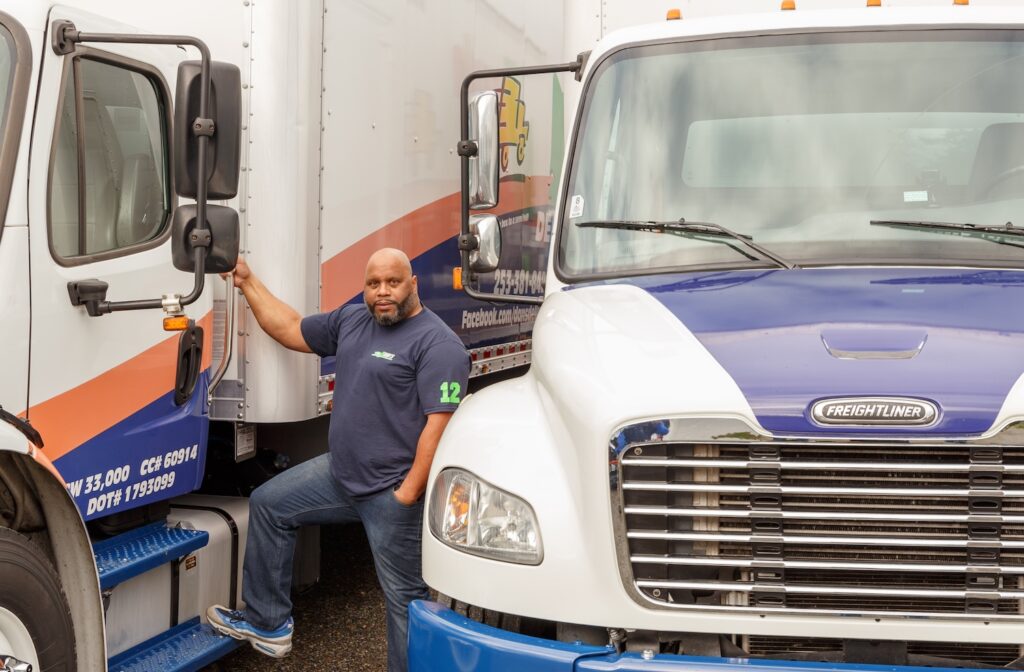
Dan’s Delivery provides dependable local delivery trucking services designed to support businesses throughout busy seasonal transitions. Whether you require recurring delivery services for routine inventory movement or flexible support for urgent shipments, we deliver reliable transportation solutions tailored to operational needs.
With extensive experience managing ground transportation logistics, we help businesses maintain inventory flow between warehouses, distribution centers, retail locations, and commercial facilities. Our commitment to dependable service helps our clients navigate August congestion, changing delivery schedules, and increasing demand with confidence.
We help keep products moving efficiently during one of the most important planning periods of the year.
How Can Businesses Prepare for a Successful Fall Delivery Season?
August presents both challenges and opportunities for businesses preparing for the months ahead. Rising demand, increased traffic, and seasonal inventory shifts place greater pressure on transportation networks, making efficient last-mile planning more important than ever.
Companies that invest in reliable local delivery trucking, balanced recurring delivery services, and flexible transportation strategies position themselves for stronger operational performance. Effective ground transportation logistics supports inventory flow, reduces disruption, and helps your business meet customer expectations during critical seasonal transitions.
As competition intensifies and delivery demands continue growing, dependable B2B delivery solutions provide the stability needed to support long-term success.