
Construction projects rely on a steady flow of building materials, equipment, and supplies arriving at the right place and time. When shipments arrive late, crews may sit idle, schedules shift, and costs rise. Reliable jobsite delivery services and local delivery trucking help contractors maintain productivity, reduce downtime, and keep projects moving according to plan.
What happens when a construction crew is ready to work, but the materials needed for the next phase are still sitting on a truck hundreds of miles away?
Construction delays are commonly linked to weather conditions, labor shortages, permitting challenges, or unexpected site conditions. While these factors certainly affect project timelines, another major contributor receives far less attention: freight transportation.
Across Washington, commercial construction projects depend on carefully coordinated deliveries of steel, concrete products, lumber, mechanical equipment, electrical components, and specialized building materials. A single delayed shipment can create a chain reaction that impacts multiple subcontractors, extends project schedules, and increases costs for developers and contractors alike.
As construction projects become larger and supply chains become more complex, construction logistics has become a critical factor in project success. If you’re a contractor who understands the relationship between transportation and scheduling, you gain a significant advantage in maintaining momentum and controlling costs.
Freight coordination has become just as important as workforce planning and project management. Understanding this connection helps you make better decisions throughout the building process.
Table of Contents
Why Does Freight Transportation Play Such a Critical Role in Construction Projects?
Every construction project operates on a sequence of interconnected tasks. Foundations must be completed before framing begins. Structural components must arrive before roofing crews can start. Mechanical systems need installation before interior finishes move forward.
When materials arrive according to schedule, work progresses smoothly. When freight transportation encounters disruptions, every downstream activity faces potential delays.
Many construction materials are ordered weeks or months in advance and they arrive from multiple suppliers located throughout the region or across the country. Coordinating these shipments requires careful planning and communication among suppliers, carriers, project managers, and jobsite personnel.
Modern construction logistics focuses on delivering materials precisely when your crews need them rather than storing large quantities onsite. This approach reduces storage costs and site congestion but increases dependence on reliable transportation.
As a result, freight delivery timing directly influences your project productivity and scheduling performance.
What Types of Freight Delays Impact Construction Schedules the Most?
We know your construction projects encounter a variety of transportation challenges throughout the project lifecycle. Some delays are predictable, while others emerge with little warning.
Common freight-related causes of construction delays include:
- Traffic congestion, road closures, and transportation route disruptions
- Supplier backlogs, warehouse shortages, and scheduling conflicts
- Weather-related transportation interruptions affecting regional deliveries
- Limited carrier availability during peak construction seasons
- Missed delivery windows that require rescheduling and additional coordination
Even a delay of several hours can affect an entire workday when crews are waiting for critical materials. For projects operating under tight deadlines, transportation disruptions create consequences that extend far beyond the delivery itself.
Recognizing these challenges allows your contractors to build more resilient schedules and contingency plans.
How Do Delayed Shipments Affect Construction Costs?
The financial impact of freight delays extends well beyond transportation expenses. A late shipment can trigger multiple cost increases across a project.
Labor represents one of the largest construction expenses. When your crews arrive prepared to perform specific tasks but lack the necessary materials, productivity declines while labor costs continue accumulating.
Equipment rentals, subcontractor schedules, and project management resources may also remain active despite reduced progress.
You also face additional risks when project completion dates move beyond planned deadlines. Delayed occupancy, postponed revenue generation, and contractual penalties can significantly increase total project costs.
The person handling logistics knows that transportation reliability directly influences profitability. Maintaining consistent delivery schedules helps you reduce waste, improve workforce efficiency, and minimize schedule disruptions.
Every successful delivery contributes to better financial outcomes for all stakeholders involved in a construction project.
Why Are Construction Logistics More Challenging Than Many People Realize?
Construction logistics involves much more than moving materials from one location to another. Every delivery must align with site access restrictions, crew schedules, safety requirements, and project sequencing.
Many jobsites have limited space available for material storage. Also, urban construction projects throughout Washington may face narrow access roads, restricted delivery hours, and traffic management requirements. So, large equipment deliveries may require specialized permits or escort vehicles.
Additional construction logistics challenges include:
- Coordinating deliveries from multiple suppliers arriving on the same day
- Managing deliveries around active construction operations
- Scheduling materials to match project milestones
- Maintaining communication between carriers and site supervisors
- Adapting quickly when project schedules change unexpectedly
Successful projects depend on transportation partners who understand these complexities and can respond quickly when conditions change. Effective logistics planning helps keep materials flowing smoothly despite operational challenges.
How Does Local Delivery Trucking Help Reduce Project Delays?
Local delivery trucking provides you with greater flexibility and responsiveness than many long-distance transportation options. Carriers operating within regional markets can react more quickly to changing project needs and schedule adjustments.
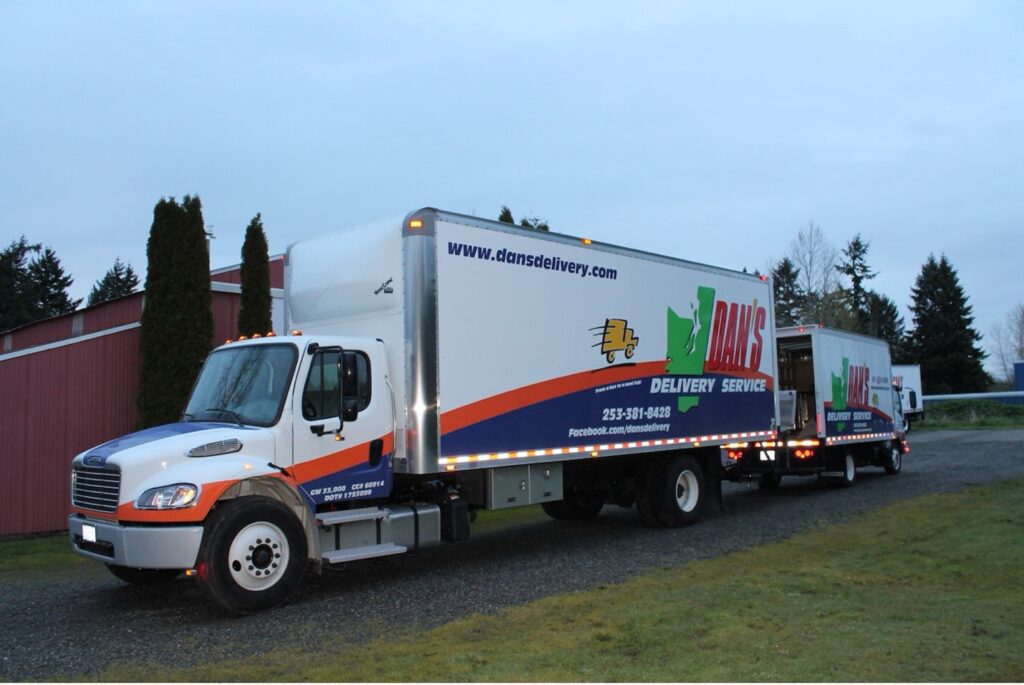
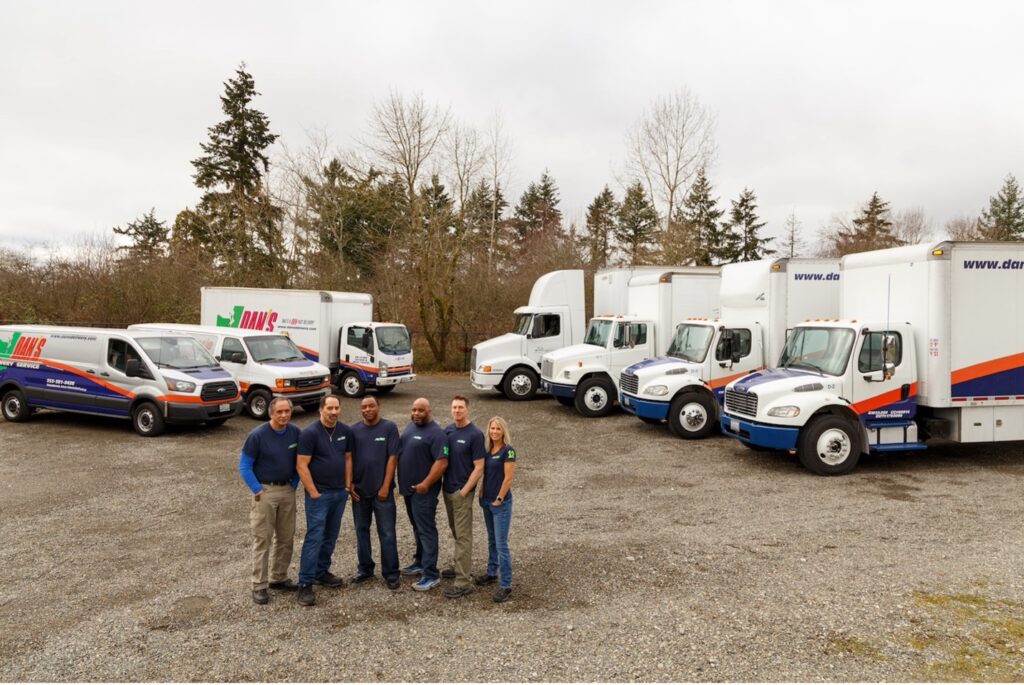
When a project requires last-minute materials or emergency deliveries, Dan’s Delivery can provide rapid support that national transportation networks may struggle to match. This responsiveness becomes particularly valuable when your project managers need to recover lost time or address unexpected challenges.
Our local delivery trucking also provides advantages through familiarity with regional traffic patterns, construction zones, delivery regulations, and jobsite access conditions. Our drivers regularly operate throughout Washington and understand local routes and can identify alternatives when disruptions occur.
Because communication tends to be more direct, you gain greater visibility into shipment status and estimated arrival times.
Strong local transportation partnerships create a more reliable supply chain and support more predictable project schedules.
How Can Contractors Improve Freight Coordination on Construction Projects?
Reducing transportation-related delays begins with better planning and communication. If you’re a contractor who treats freight management as a strategic function rather than a routine task, you typically achieve stronger schedule performance.
Coordinate closely with suppliers and transportation providers from the earliest planning stages. Material lead times, delivery windows, and contingency plans should be integrated into project schedules rather than treated as separate activities.
The following comparison highlights the difference between reactive and coordinated transportation management.
| Project Delivery Approach | Reactive Freight Management | Coordinated Construction Logistics |
| Delivery Planning | Scheduled at last minute | Planned weeks in advance |
| Shipment Visibility | Limited tracking | Regular communication and updates |
| Response to Delays | Scrambles for alternatives | Backup plans already established |
| Crew Productivity | Higher risk of downtime | Better workflow continuity |
| Cost Control | Greater likelihood of overruns | Improved budget predictability |
| Schedule Performance | Increased delay risk | Greater timeline reliability |
When transportation planning becomes part of the overall project strategy, your construction team has more control over schedules and resources. Ultimately, better coordination leads to smoother operations and stronger project outcomes.
How Does Dan’s Delivery Support Construction Projects Throughout Washington?
Contractors across Washington need transportation partners capable of adapting to changing project demands. That is where Dan’s Delivery provides valuable support.
We specialize in dependable freight transportation solutions designed to meet the needs of commercial construction projects, contractors, suppliers, and project managers. Through flexible scheduling, dedicated delivery routes, and responsive customer service, we help keep materials moving when timing matters most.
Whether a project requires routine material deliveries, time-sensitive shipments, or specialized jobsite delivery services, we work closely with customers to coordinate transportation around project schedules. This approach helps reduce downtime, improve material availability, and support efficient construction operations.
Our experience with local delivery trucking throughout Washington allows you to access reliable transportation solutions tailored to regional construction environments.
What Is the Best Way to Keep Construction Projects on Schedule?
Construction delays rarely result from a single issue. Most schedule disruptions stem from multiple factors working together, and freight transportation remains one of the most overlooked contributors.
As construction supply chains become increasingly complex, transportation reliability plays a larger role in project success. Delayed shipments can impact labor productivity, increase costs, disrupt scheduling, and create cascading challenges throughout a project.
Effective construction logistics helps you maintain control over these risks while supporting efficient project execution.
Reliable freight transportation, dependable jobsite delivery services, and experienced local delivery trucking partners help keep materials moving and crews productive.
When you prioritize transportation planning, you put your construction company in a better position to meet deadlines, control costs, and deliver successful projects throughout Washington.