
Holiday demand can tighten freight availability quickly, so businesses can protect costs and delivery schedules by booking freight capacity and transportation early, forecasting seasonal shipment volume and building relationships with dependable carriers. Early planning gives companies more options before peak-season demand places pressure on available trucks, routes and delivery schedules.

Table of Contents
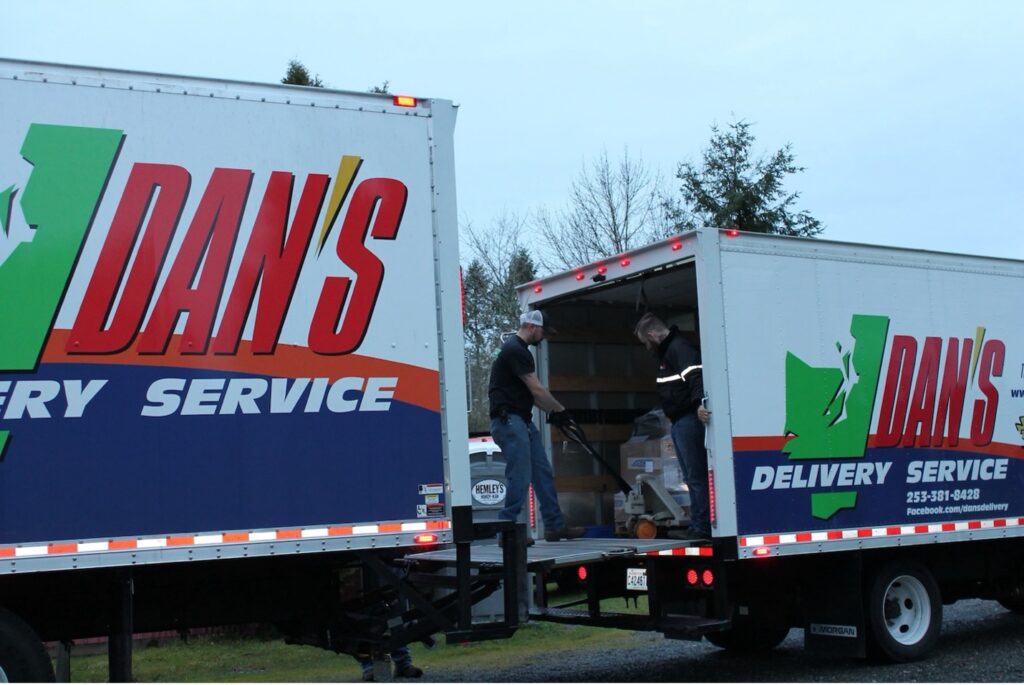
As the holiday season approaches, the demand for freight shipping ramps up rapidly across nearly every industry. Retailers stocking shelves for Black Friday and Cyber Monday, manufacturers rushing to complete year-end orders, and distributors working to replenish inventory all place immense demand on transportation networks at the exact same time.
This sudden influx creates a bottleneck in freight capacity, leading to tighter delivery windows, limited truck availability, and rising transportation expenses for businesses that wait until the last minute. Add in holiday warehouse closures and shortened delivery schedules, and even routine shipments across Western Washington can quickly turn into high-stress logistics challenges.
Smart companies know that avoiding the annual Q4 shipping scramble requires proactive planning. By forecasting seasonal shipment volumes and securing freight capacity before Thanksgiving, businesses can lock in reliable schedules, protect their operational budgets, and ensure customer commitments are met without disruption.
Here’s why booking your freight capacity early is the single best move you can make to protect your business’s bottom line this holiday season.
Why Does Holiday Demand Affect Freight Availability?
As Thanksgiving approaches, companies across many industries begin moving more products, supplies, inventory and seasonal merchandise. Retailers prepare for holiday sales, manufacturers respond to increased orders, and distributors position goods closer to customers. At the same time, carriers are managing more requests across the same transportation network.
That combination can make available freight capacity harder to secure at preferred times and rates.
For businesses, the issue isn’t simply whether a truck can be found. The bigger question is whether a suitable truck will be available when and where the shipment needs to move. If you wait until the last minute you may face fewer scheduling options, tighter delivery windows, or higher transportation costs.
Freight shipping also becomes more complicated when several shipments compete for similar routes. You might normally schedule a shipment from Tacoma to Seattle with several days of flexibility. But during the holiday season, that same route may have greater demand from companies moving seasonal inventory or replenishing warehouses.
Early planning gives you more room to choose transportation options that fit your schedules rather than reacting to whatever availability remains.
The holiday shipping season therefore rewards companies that plan transportation before demand reaches its highest levels.
How Does Thanksgiving Change Transportation Logistics?
Thanksgiving represents an important turning point in the annual shipping calendar because businesses aren’t only preparing for the holiday itself. Many are preparing for the weeks surrounding Thanksgiving, including Black Friday, Cyber Monday, Christmas and year-end purchasing.
Those overlapping demands can create a chain reaction throughout transportation logistics.
A retailer may increase inventory before Thanksgiving. A supplier then needs additional materials to support that retailer. And a distributor may need more frequent deliveries to replenish inventory.
Each step creates another transportation requirement.
You also need to account for reduced operating schedules around holidays. Warehouses, manufacturers, retailers, and customers may have different receiving hours. A shipment that normally fits easily into a delivery schedule may require more coordination during a holiday week.
That makes freight capacity particularly valuable for companies with fixed delivery appointments or time-sensitive goods.
When you plan early, you have more opportunity to coordinate pickup dates, delivery windows and backup options before holiday scheduling becomes more complicated.
Why Does Booking Freight Before Thanksgiving Help Control Costs?
Waiting can create unnecessary pressure on transportation budgets. When you book early, you have more time to compare options and match shipment requirements with available service.
The potential savings don’t come from one guaranteed seasonal rate. Instead, early booking can help you avoid situations where you have limited choices and need to pay for expedited or less convenient transportation.
Several planning advantages can make a difference:
- Businesses can forecast shipment volume before peak demand arrives
- Transportation teams can reserve preferred pickup and delivery windows
- Companies have more time to compare LTL and truckload options
- Warehouse teams can coordinate receiving schedules in advance
- Businesses can identify shipments that need expedited service
- Transportation managers can build contingency plans for urgent loads
Early freight scheduling can also reduce internal costs. When employees know when freight will arrive, warehouse teams can prepare space, labor and equipment. That coordination can help prevent receiving bottlenecks during an already busy period.
A company that waits until a shipment becomes urgent may have fewer options than a company that planned the same shipment several weeks earlier.
The practical benefit of early booking is greater control over the transportation process.
What Should You Consider When Forecasting Holiday Shipments?
Good seasonal planning starts with historical information. You can review previous holiday seasons to identify changes in shipment volume, delivery destinations, and customer demand.
You don’t need a perfect forecast to benefit from this approach. Even a reasonable estimate can help transportation teams communicate anticipated needs to carriers.
Review the following:
- Shipment volume from previous November and December periods
- Average weekly pallet or freight quantities
- Routes that experience seasonal increases
- Customers with fixed holiday receiving schedules
- Products likely to experience seasonal demand
- Shipments that require special handling or expedited delivery
Transportation logistics become easier to manage when shipment information reaches the carrier early. A carrier can then evaluate route requirements, vehicle availability, and scheduling needs before the holiday rush intensifies.
If your business has recurring shipments, you have another advantage. A predictable delivery pattern gives the carrier more information about expected demand and allows both sides to plan around established routes.
The more accurately you understand your seasonal shipping patterns, the easier it becomes to make informed transportation decisions.
Good forecasting gives transportation teams a clearer picture of upcoming holiday needs.
How Can Freight Scheduling Protect a Company’s Holiday Deliveries?
Freight scheduling provides a framework for moving goods before urgency takes over. Rather than treating every shipment as a separate last-minute request, you can build a seasonal transportation calendar.
A strong schedule accounts for pickup dates, delivery windows, warehouse hours, and expected shipment volume. It can also identify which loads have flexibility and which ones have firm deadlines.
This distinction matters.
A shipment going to a local customer may have a wider delivery window than a shipment supplying a production facility. A retailer replenishing holiday inventory may need more precise timing than a company transporting non-seasonal supplies.
Freight capacity can become especially important for shipments with fixed appointments. If you know that a particular load must arrive before Thanksgiving or immediately afterward, early scheduling gives the transportation provider more time to coordinate the move.
You’re also able to separate routine shipments from high-priority loads. That approach helps transportation teams reserve specialized services for freight that genuinely requires them.
A well-planned schedule gives you a clearer path through the busiest part of the shipping calendar.
Why Do Carrier Partnerships Matter During Peak Shipping Season?
A transportation provider becomes more valuable during a busy season when the relationship extends beyond simply booking individual loads.
When you communicate your seasonal requirements early, you can give carriers better visibility into upcoming demand. Carriers can then plan routes, vehicles, and staffing around those needs.
LTL freight carriers can be particularly useful for companies that don’t need a full truckload. Smaller shipments can move through shared transportation rather than requiring an entire truck. If you have recurring regional shipments, a local carrier may also provide more flexible scheduling options.
A strong carrier relationship can also improve communication when plans change. Holiday shipping involves variables such as traffic, warehouse schedules, weather, and changing customer demand. Having an established point of contact can make it easier to address those changes.
You don’t need to commit every shipment to one transportation method. Instead, you can work with carriers to determine which loads fit LTL service, which require dedicated transportation, and which need expedited handling.
Reliable carrier partnerships give you another tool for managing seasonal uncertainty.
How Do Regional Carriers Help Businesses During Holiday Demand?
Regional carriers can provide advantages when you need transportation within a defined geographic area.
If you are operating in Western Washington, local knowledge can be particularly useful. Routes between Tacoma, Seattle, Kent, Auburn, Renton, Bellevue, Everett and other Puget Sound communities can involve recurring traffic patterns, warehouse clusters, and delivery requirements that a regional provider understands well.
We serve businesses throughout the Puget Sound with regular routes across Pierce, Thurston, King, and Snohomish counties. We provide LTL and truckload freight services along with next-day, same-day, emergency, and dedicated delivery options.
Our regional service area includes daily runs along the I-5 and 405 corridors. We also provide recurring delivery services for businesses that need scheduled transportation.
That regional focus can matter during peak periods because local businesses may need transportation that doesn’t fit a national network’s standard schedule.
Regional expertise can give you another option for keeping holiday shipments moving when demand is high.
How Can Businesses Compare Transportation Options Before Thanksgiving?
Not every shipment needs the same type of service. Comparing transportation options based on shipment size, urgency, route, and delivery requirements can help you allocate transportation spending more effectively.
| Factor | Standard LTL | Dedicated Delivery | Expedited Delivery |
| Best for | Smaller shipments | Recurring or larger shipments | Time-sensitive freight |
| Truck use | Shared | Reserved | Prioritized |
| Scheduling flexibility | Moderate | High | High |
| Cost structure | Based on shipment and shared capacity | Based on dedicated service | Premium for urgency |
| Holiday planning value | Good for planned loads | Strong for recurring routes | Best for critical exceptions |
| Ideal timing | Book ahead | Book ahead | Reserve as early as possible |
The comparison isn’t about choosing one service for every shipment. You may use LTL for routine freight, dedicated service for predictable routes, and expedited delivery for critical exceptions.
You’ll want to also consider the cost of a delay rather than looking only at the transportation rate. A delayed shipment might affect customer commitments, production schedules, or inventory availability.
When those consequences are included in the decision, transportation planning becomes a broader business consideration rather than simply a shipping expense.
A balanced transportation plan gives each shipment the service level that fits its actual requirements.
How Can Dan’s Delivery Help You Prepare for the Holiday Season?
We know that holiday shipping puts additional pressure on businesses that depend on reliable transportation. That’s why we work with you to understand your shipment requirements and create delivery plans around your schedules.
We provide freight shipping for boxed, palletized, and commercial goods, including LTL and full truckload services. We also offer next-day, same-day, emergency, and dedicated delivery options.
We’re happy to provide recurring delivery services for businesses that need regular transportation schedules. And for companies preparing for holiday demand, this can provide a useful foundation for planning shipments before Thanksgiving rather than arranging every delivery at the last minute.
Our goal is to make freight scheduling straightforward, communicate clearly, and provide transportation options that fit the shipment.
As you’re preparing for the holiday season, early conversations with our team can help identify the right service before schedules become crowded.
What Can Businesses Do Now to Prepare for Holiday Freight Demand?
The best time to address seasonal transportation requirements is before shipments become urgent. You can start by reviewing expected November and December volume, identifying important delivery dates, and discussing anticipated needs with transportation providers.
Freight capacity becomes a planning issue when multiple companies compete for similar trucks, routes, and delivery windows. Early communication gives you more time to make decisions while your options are broader.
Companies that coordinate transportation, warehouse schedules, and customer requirements ahead of the holiday rush can also reduce the number of last-minute decisions their teams need to make.
The goal isn’t to predict every holiday shipment perfectly. The goal is to give your business enough visibility to make transportation decisions before urgency limits those choices.
Early planning gives you a stronger foundation for managing seasonal freight demand.
Why Is Early Freight Planning Worth Doing Before Thanksgiving?
Holiday shipping rewards preparation. As seasonal demand increases, if you wait until the last minute, you may face tighter schedules, fewer transportation choices, and greater pressure on your budgets.
Booking freight capacity early gives you more time to coordinate freight shipping, compare service options, and communicate requirements with LTL freight carriers and other transportation providers.
For businesses operating in the Puget Sound, regional transportation partners can add another layer of flexibility. At Dan’s Delivery, we provide local knowledge, recurring delivery options, and multiple freight services designed around the needs of businesses throughout Western Washington.
You don’t need to predict every transportation challenge that might arise. You can prepare by identifying important shipments, communicating expected volume, and establishing transportation plans before Thanksgiving demand reaches its peak.
Early freight planning ultimately turns seasonal shipping from a last-minute scramble into a manageable part of your business’s holiday strategy.