
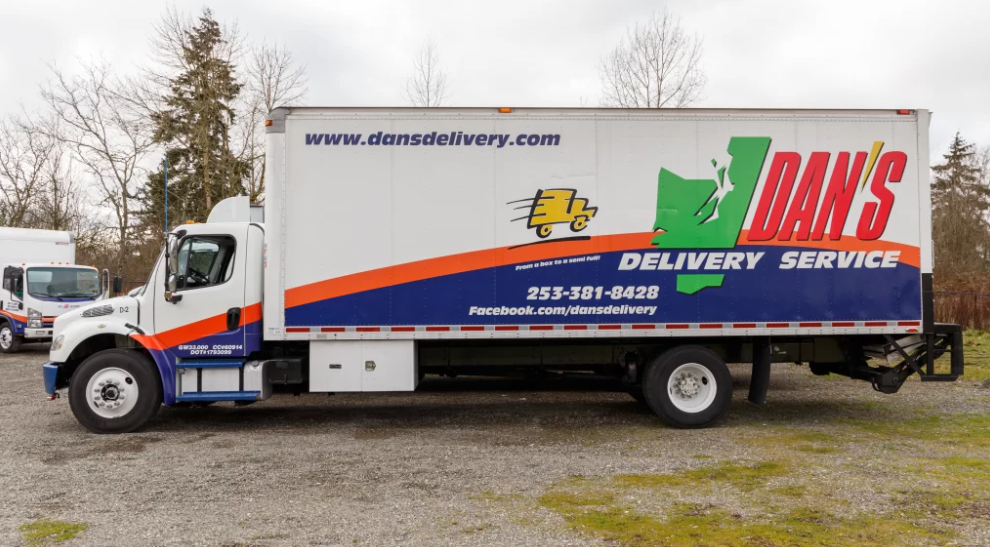
Early August FTL freight booking helps shippers secure truck capacity before major retailers absorb available equipment and driver resources for back-to-school and seasonal inventory movements. Accurate freight transit times are calculated by combining pickup availability, distance, route conditions, delivery requirements, and carrier scheduling factors, allowing businesses to avoid delays and maintain reliable supply chains.
What happens when thousands of retailers start moving seasonal inventory at the same time? Freight networks across North America experience a significant shift in August as back-to-school merchandise, consumer goods, and retail replenishment shipments compete for transportation capacity.
Many businesses see August as a relatively quiet period before the holiday rush begins. In reality, freight activity starts accelerating well before Q4. National retailers start positioning inventory for fall promotions, school-related demand, and early holiday preparation. This surge places pressure on transportation providers, equipment availability, and driver schedules.
As demand rises, waiting until the last minute means fewer scheduling options. Not to mention higher transportation costs and longer lead times. If you move large volumes, you face an even greater challenge because you require consistent truck capacity rather than shared freight arrangements.
If you’re dependent on predictable delivery schedules, August is a critical planning period rather than a waiting period. Early preparation creates flexibility while protecting shipping budgets and customer commitments.
Let’s talk more about why August one of the most important months for FTL freight booking.
Table of Contents
How Does FTL Freight Booking Differ from LTL Shipping During August?
Understanding the distinction between Less-Than-Truckload (LTL) and Full Truckload (FTL) transportation helps you make informed decisions during seasonal capacity shifts.
LTL shipping combines freight from multiple customers into a single trailer. While this approach may reduce costs for smaller shipments, freight typically passes through multiple terminals before reaching its destination. Additional handling can increase transit variability during busy shipping periods.
FTL freight booking secures an entire trailer for one shipment. The freight moves directly from pickup to delivery without sharing trailer space with other customers. This direct transportation model creates greater scheduling control and more predictable delivery performance.
During August, the advantages of FTL become more apparent because regional distribution networks experience increased volume. Shared freight systems may encounter congestion as additional shipments move through terminals and consolidation facilities.
If you’re shipping larger quantities, high-value products, time-sensitive inventory, or freight, you’ll benefit from special handling from dedicated transportation arrangements. The result is improved visibility, fewer touchpoints, and more reliable freight transit times.
The differences between LTL and FTL become especially meaningful when shipping schedules leave little room for delays.
When Does Shipment Volume Justify Full Truckload Transportation?
One of the most common questions shippers ask involves determining when freight volume warrants a dedicated trailer.
Several indicators suggest that FTL freight booking may provide greater value than traditional LTL shipping:
- Freight occupies more than half of a trailer’s available space
- Multiple pallets create dimensional challenges for consolidation
- Products require direct transportation with minimal handling
- Delivery deadlines involve strict appointment schedules
- Freight carries a higher value or increased damage sensitivity
- Multiple LTL shipments move to the same destination
As shipment volume grows, the cost difference between LTL and FTL frequently narrows. In some cases, securing a dedicated trailer becomes more economical than paying for multiple LTL shipments moving separately.
Beyond cost considerations, dedicated freight solutions provide operational advantages. You gain more control over scheduling, routing, and delivery expectations. Those advantages become increasingly valuable during busy shipping periods when transportation resources face greater demand.
The right transportation mode depends on volume, urgency, destination requirements, and overall supply chain objectives.
Why Do Big-Box Retailers Influence August Capacity Availability?
Large retailers wield substantial influence over transportation networks because of the sheer volume of freight they move.
Beginning in August, many major retailers launch large-scale inventory replenishment efforts. Distribution centers receive school supplies, apparel, electronics, seasonal merchandise, and promotional inventory in preparation for the coming months.
These organizations frequently secure transportation capacity through contracted arrangements with full truckload carriers. Large shipment volumes allow them to reserve equipment and driver resources well in advance. As a result, fewer trucks remain available for businesses seeking last-minute transportation.
The impact extends throughout the freight market. Regional carriers, national fleets, and independent operators all experience increased demand. Capacity that seemed plentiful in July may become significantly tighter by mid-August.
Smaller and mid-sized businesses that delay transportation planning risk competing for the remaining available resources. That competition can affect rates, scheduling flexibility, and pickup availability.
Early FTL freight booking helps you secure transportation before market pressures intensify.
How Can Shippers Calculate Accurate Freight Transit Times?
Calculating accurate freight transit times depends on how well you understand the factors that influence freight transit times.
Many shippers focus exclusively on mileage when estimating delivery schedules. Distance matters, but several additional variables influence transportation performance.
Key considerations when calculating freight transit times include:
- Pickup appointment availability
- Delivery appointment requirements
- Route geography and traffic patterns.
- Driver hours-of-service regulations
- Weather conditions
- Border crossings or inspection requirements
- Seasonal freight demand levels
A shipment traveling 1,000 miles may not require the same delivery window every time. Urban congestion, facility schedules, and regional demand can affect transit performance.
You gain better forecasting accuracy by evaluating the complete transportation process rather than relying solely on mileage estimates. Communication with transportation providers also improves scheduling confidence because carriers understand route-specific considerations.
Reliable freight transit times emerge from realistic planning rather than optimistic assumptions.
How Do Full Truckload Carriers Support More Predictable Delivery Windows?
Predictability is one of the strongest advantages associated with full truckload transportation.
Unlike consolidated shipping models, FTL shipments move directly from origin to destination. Fewer stops reduce opportunities for delays and eliminate many variables associated with freight transfers.
The following comparison illustrates common operational differences between transportation modes:
| Factor | LTL Shipping | FTL Shipping |
| Trailer Space | Shared among customers | Dedicated to one shipper |
| Freight Handling | Multiple touchpoints | Minimal handling |
| Transit Consistency | Moderate | High |
| Scheduling Flexibility | Limited | Greater flexibility |
| Damage Risk | Higher due to transfers | Lower due to direct movement |
| Ideal Shipment Size | Smaller loads | Large-volume shipments |
| Delivery Speed | Variable | Faster direct transit |
Ultimately, direct transportation reduces uncertainty and creates greater confidence in scheduling decisions.
What Risks Come with Delaying FTL Freight Booking Until Late August?
Waiting until capacity becomes scarce introduces several operational risks.
Transportation providers allocate equipment based on customer commitments, freight demand, and network requirements. As August progresses, available truck capacity may tighten quickly.
Potential consequences of delayed scheduling include:
- Higher transportation rates may emerge as demand increases. Pickup appointments could become more limited. Delivery windows may shift beyond preferred timelines. Production schedules can experience disruption. Customer expectations become more difficult to meet.
- Businesses managing inventory replenishment, manufacturing inputs, or retail distribution face greater exposure when transportation planning occurs too late.
- Supply chain disruptions rarely begin with a missed delivery. More frequently, they start with insufficient transportation planning weeks earlier.
Securing capacity ahead of demand provides stability during periods of market fluctuation.
How Can Dedicated Freight Solutions Strengthen Supply Chain Performance?
Dedicated freight solutions provide businesses with transportation resources aligned to specific operational requirements.
Rather than competing for available capacity each time a shipment needs transportation, you gain access to more consistent service structures. This consistency supports inventory planning, customer commitments, and production schedules.
Dedicated arrangements also improve visibility. Shippers maintain greater awareness of equipment availability, scheduling options, and delivery expectations. During periods of increased freight activity, this visibility supports better decision-making.
Businesses experiencing recurring shipping needs, seasonal volume spikes, or time-sensitive transportation requirements frequently benefit from dedicated transportation strategies. The result includes stronger operational continuity and more reliable freight transit times.
Dedicated freight solutions create a foundation for long-term transportation stability.
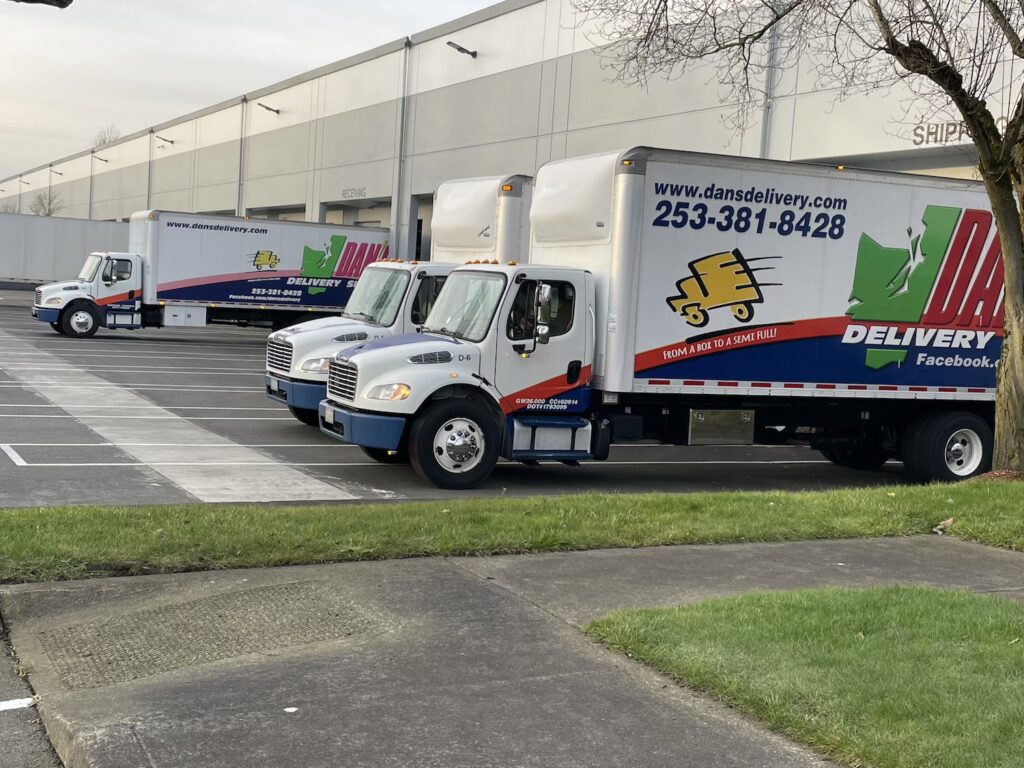
Why Is Dan’s Delivery a Smart Choice for August Freight Planning?
Businesses seeking dependable transportation support need a logistics partner that understands seasonal capacity challenges and responds with practical solutions.
Dan’s Delivery provides reliable transportation services designed to help you navigate busy freight periods with confidence. Through experience managing commercial freight movements, we help customers secure capacity before market constraints become more severe.
Whether a shipment requires dedicated freight solutions, regional transportation support, or assistance coordinating large-volume moves, we focus on dependable execution and responsive customer service.
Working with experienced transportation professionals also helps you evaluate shipment volume, select the appropriate transportation mode, and establish realistic freight transit times. These factors contribute to smoother operations and fewer surprises during seasonal demand surges.
If you’re preparing for August shipping activity, partnering with Dan’s Delivery creates a stronger path toward transportation reliability and capacity security.
What Should Businesses Remember About August Freight Planning?
August serves as a pivotal month for transportation planning. While many organizations focus on the upcoming holiday season, back-to-school inventory movements already place significant pressure on freight networks.
Early FTL freight booking helps you secure capacity before major retailers absorb available transportation resources. Understanding when shipment volume warrants dedicated equipment, choosing experienced full truckload carriers, and accurately forecasting freight transit times all contribute to stronger operational performance.
Those that plan ahead position themselves for greater scheduling flexibility, more reliable deliveries, and improved transportation efficiency. As freight demand continues building toward Q4, early action remains one of the most effective strategies for maintaining supply chain stability.