
King County businesses navigate June LTL freight carrier delays by partnering with regional carriers that maintain localized Pacific Northwest routing expertise. Shippers bypass major hub bottlenecks, secure guaranteed space amidst surging seasonal retail inventory, and implement precise delivery windows to stabilize supply chains, ensuring consistent material flow while successfully protecting your bottom line.
The transition into early summer acts as a silent disruptor for commercial supply chains across the Pacific Northwest.
While warmer weather clears mountain passes and simplifies over-the-road transit, it simultaneously sparks massive reallocations of carrier capacity.
June serves as a major inflection point where corporate supply chains pivot from spring replenishment to heavy summer retail stock and industrial construction campaigns. This sudden realignment floods transportation networks with cargo, fundamentally altering transit timelines for commercial entities.
National carriers experience immediate strain as large-scale retail distributors monopolize trailer space for cross-dock operations. This systemic influx of volume forces smaller, palletized shipments into prolonged holding patterns at regional consolidation terminals.
Business-to-business (B2B) enterprise distribution relies heavily on predictable transit cycles. But national providers prioritize massive multi-trailer contracts over localized commercial freight.
Consequently, standard commercial shipments experience LTL freight carrier delays, missed delivery windows, and unexpected accessorial fees that quickly erode corporate profit margins.
Understanding this seasonal surge allows distribution managers to alter scheduling frameworks before capacity constraints impact daily operations. Let’s explore more about how to navigate LTL freight carrier delays below.
Table of Contents
How Do Seasonal Inventory Surges Threaten Smaller Palletized Loads?
Large-scale retailers prepare for mid-year sales events and summer promotions by moving vast quantities of consumer goods into regional distribution hubs. This surge creates a cascade effect across the logistics sector, as massive corporations absorb available equipment and driver hours.
For enterprises using LTL shipping models, this environment presents distinct challenges. Smaller palletized loads find themselves sidelined at major sorting facilities, waiting for available space on trailers dominated by high-volume retail freight.
National LTL trucking companies in Washington manage network imbalances by prioritizing the most profitable, high-density freight corridors.
A single or double-pallet shipment destined for a manufacturing facility or corporate office often sits on a terminal dock for days while multi-pallet retail shipments move forward. This dynamic places B2B logistics coordinators at a severe disadvantage, as conventional transit calculators fail to account for seasonal terminal congestion like:
- Dock Congestion: High-volume consumer goods fill cross-dock floor space, slowing down the sorting process for standard industrial components.
- Equipment Diversion: Drivers and line-haul trailers pivot toward dedicated retail accounts, reducing the physical assets available for standard commercial pickups.
- Imbalanced Lanes: Freight moving into primary consumer markets outpaces outbound industrial volume, causing severe equipment deficits in critical commercial sectors.
Protecting commercial cargo from getting trapped behind massive retail shipments requires a tactical shift away from generalized national networks. Shippers must align operations with logistics models that segregate standard commercial freight from volatile consumer retail streams.
This strategic separation keeps essential business supplies moving regardless of retail shopping trends.
Why Do Standard National Routing Models Struggle with Regional Bottlenecks?
Relying on national carrier networks means shipments follow rigid hub-and-spoke sorting systems designed for cross-country efficiency rather than regional speed.
A pallet traveling short distances within the Pacific Northwest might route through a massive central hub in a different state simply to fit the carrier’s automated sorting framework. During peak summer volume transitions, these enormous central hubs become massive logistical choke points.
Local geography demands precise operational knowledge, especially when moving freight through complex corridors like the Interstate 5 zone. National providers manage operations from distant corporate centers, lacking the agility to bypass sudden regional LTL freight carrier delays or terminal backlogs.
When a major sorting facility faces a multi-day backlog, national routing structures offer zero flexibility, leaving your freight stranded in an administrative queue.
The structural differences between national networks and regional frameworks become glaringly apparent when analyzing seasonal performance metrics:
| Operational Metric | National Carrier Networks | Regional Freight Consolidation |
| Routing Structure | Rigid hub-and-spoke tracking | Direct, localized lane customization |
| Terminal Handling | Multiple cross-dock transfers | Minimal touches via regional centers |
| Congestion Response | Automated delay notifications | Dynamic, real-time route adjustment |
| Priority Allocation | High-volume retail dominance | Dedicated commercial B2B protection |
Bypassing these systemic delays requires working with transportation models that favor direct lane movement over repetitive terminal processing. Eliminating unnecessary touchpoints reduces both the risk of LTL freight carrier delays and the potential for cargo damage during handling.
Ultimately, regional expertise ensures cargo stays in motion instead of sitting idle in jammed sorting facilities.
What Actions Help Prevent LTL Freight Carrier Delays from Impacting Your Logistics?
Successfully navigating summer capacity shifts requires adjustments to conventional dispatch and packaging habits.
Waiting until the final hours of the business day to request a pickup increases the likelihood of rolled freight during high-volume periods. You must adjust operational timelines to secure asset commitments before daily capacity limits are reached.
Advanced scheduling combined with strategic freight consolidation offers a powerful defense against unpredictable transit times.
Combining multiple smaller shipments into a single, cohesive unit allows you to command greater carrier priority. This approach transforms fragmented cargo into highly desirable freight that fits cleanly into established regional transport lanes. Be sure to rely on:
- Early Tender Submissions: Submit pickup requests before mid-day to ensure your cargo makes the initial afternoon line-haul cut.
- Pallet Optimization: Secure and label cargo flawlessly to eliminate manual re-work or inspection delays at the origin terminal.
- Flexible Delivery Windows: Coordinate with receivers to allow extended delivery hours, bypassing peak congestion periods at commercial docks.
Implementing these structural changes within your shipping department creates an operational buffer that absorbs external market volatility. Also, giving your logistics operations this extra breathing room prevents unexpected LTL freight carrier delays from disrupting your client relationships.
How Can Dan’s Delivery Secure Your Pacific Northwest Supply Chain This Summer?
Mitigating the complex challenges of LTL freight carrier delays in June requires a logistics partner deeply rooted in the local landscape.
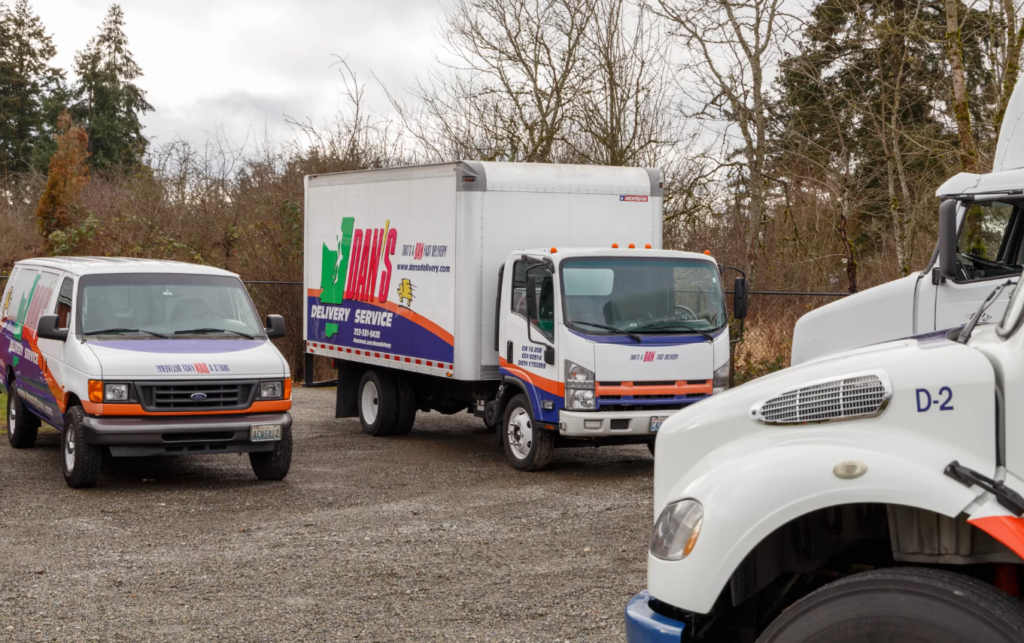
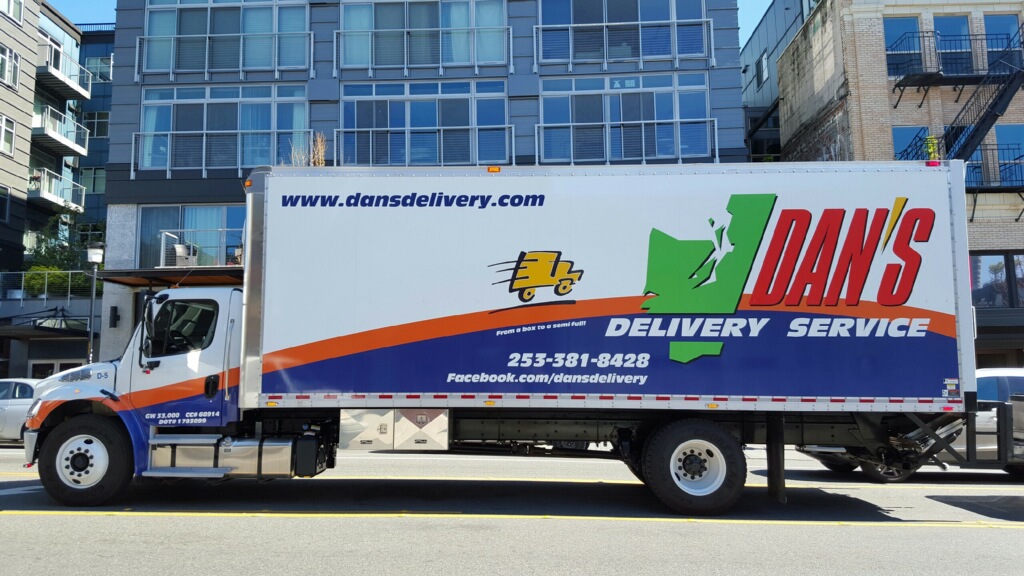
Dan’s Delivery provides specialized regional transportation frameworks specifically designed to insulate Pacific Northwest businesses from national network disruptions. Operating with deep regional freight consolidation expertise, our team ensures your palletized commercial loads move efficiently without getting stuck behind massive retail inventories.
By focusing heavily on localized lanes, we bypass the clogged out-of-state sorting hubs that slow down larger national carriers. Our fleet handles your cargo with precision, keeping freight moving smoothly through dedicated regional networks. This specialized approach offers King County businesses reliable, consistent transit times that safeguard operational continuity and protect corporate financial performance throughout the summer surge.
Partnering with a dedicated regional provider grants your enterprise direct visibility and responsive communication lines that national carriers can’t match. Instead of navigating automated call centers when delays strike, you gain immediate access to local decision-makers who manage assets right here in Washington.
What Strategic Adjustments Keep Commercial Cargo Moving Efficiently Through June?
To sustain peak operational efficiency during summer volume transitions, you’ll need to step away from generic, one-size-fits-all shipping strategies.
You must analyze regional market data, anticipate carrier capacity shortages, and choose transport partners with deep local roots.
Embracing localized freight strategies enables your enterprise to dodge major hub bottlenecks, secure trailer space, and maintain stable distribution schedules during peak seasons.
As June introduces shifting consumer habits and altered freight volumes, your structured logistical adjustments keep operations running smoothly. Maintaining a sharp focus on regional execution ensures your supply chain remains resilient, predictable, and highly profitable all summer long.