The best routing strategy during the Revive I-5 Ship Canal Bridge 2026 project involves avoiding northbound I-5 bottlenecks by using alternate corridors like I-405 and SR 99. You should also adjust delivery windows and plan around peak congestion to reduce delays.
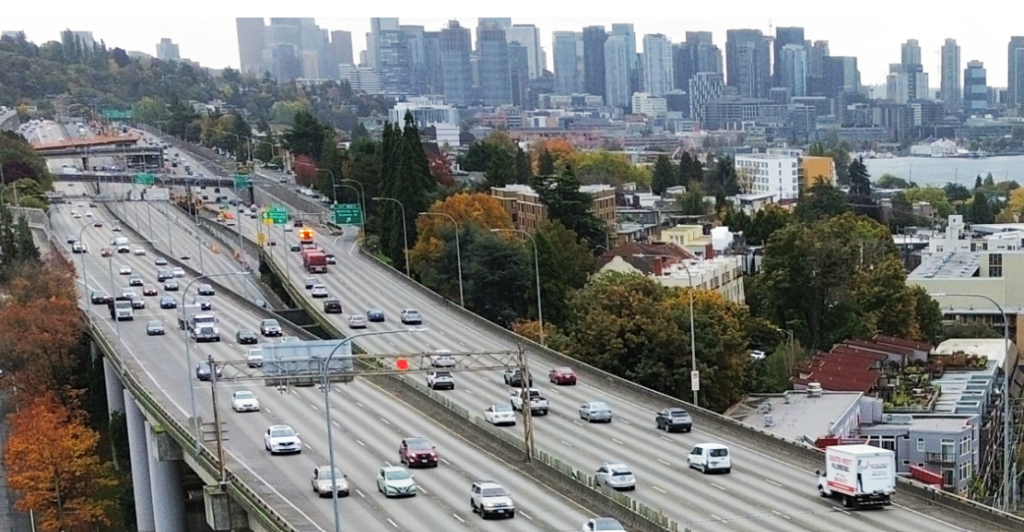
Seattle’s busiest freight corridor is under pressure, and every delay now carries a cost. The Revive I-5 Ship Canal Bridge 2026 project has introduced significant lane reductions that are reshaping how freight moves across the Puget Sound region.
The Revive I-5 Ship Canal Bridge 2026 project focuses on preserving and strengthening a critical piece of infrastructure that supports thousands of daily trips. Northbound I-5 lane reductions have narrowed traffic flow, creating consistent congestion through key segments.
For freight carriers, this means longer travel times and less predictable schedules. Even small delays can compound quickly, especially for LTL shipments moving through multiple stops.
The impact of this project reaches far beyond Seattle, influencing delivery timelines across the entire Puget Sound area.
Let’s dive into the full impact of the Revive I-5 Ship Canal Bridge 2026 project and how you can successfully navigate lane reductions and spring load restrictions.
Table of Contents
How Are Lane Reductions Impacting Seattle Delivery Service?
Reduced lane capacity limits throughput, especially during peak commuting hours. Freight vehicles now compete for space in tighter conditions, leading to slower movement and increased idle time.
For businesses relying on a Seattle delivery service, these changes create new challenges in maintaining reliable schedules. As a result, you miss delivery windows, and that can affect customer satisfaction and lead to additional operational costs.
The Revive I-5 Ship Canal Bridge 2026 project is here. So, now, it’s all about adapting to these conditions. And that requires a combination of route planning and timing adjustments.
What are the Best Alternate Routes for Puget Sound LTL Routing?
Avoiding I-5 congestion has become a priority for carriers navigating the region. Alternate routes provide opportunities to maintain efficiency, even as construction continues. Here are some of the best shipping routes to take during this project:
- I-405 for bypassing central Seattle congestion
- SR 99 as a consistent north-south alternative
- Early morning or late evening delivery windows
- Local arterial roads for last-mile flexibility
Taking these routes will help reduce exposure to delays and keep freight moving more predictably through the region.
How Do You Navigate Washington Spring Load Restrictions?
Seasonal thaw conditions introduce another layer of complexity in the shipping game. Washington spring load restrictions limit the weight vehicles can carry on certain roads to protect infrastructure during vulnerable periods.
These restrictions vary by location and timing, requiring carriers to stay informed and adjust accordingly. Reduced weight limits may lead to partial loads or additional trips, affecting overall efficiency.
Careful planning ensures you stay compliant while minimizing disruption to operations.
What are Some Key Compliance Requirements Shippers Should Consider?
Regulatory requirements aren’t something you can meet halfway. Meeting regulatory requirements during spring load restriction periods requires coordination and attention to detail. You’ll need to:
- Monitor state-issued restriction updates regularly
- Adjust shipment weights to meet legal limits
- Coordinate routes that avoid restricted roadways
- Communicate changes with clients and partners
Following these steps will help you maintain compliance and support smoother operations during the Revive I-5 Ship Canal Bridge 2026 project and seasonal transitions.
Compare Standard Routing vs. Adjusted Routing Strategy
As conditions across Seattle continue to shift due to the Revive I-5 Ship Canal Bridge 2026 project and seasonal weight limits, routing decisions carry more impact than ever.
Comparing traditional pre-project routing with adjusted strategies highlights how small operational changes can protect delivery timelines and reduce risk.
| Factor | Standard Routing (Pre-Project) | Adjusted Routing Strategy |
| Travel Time | Predictable | Variable but manageable |
| Route Efficiency | Direct | Optimized detours |
| Congestion Exposure | Moderate | Reduced |
| Compliance Complexity | Low | Higher |
| Delivery Reliability | Stable | Maintained with planning |
This comparison shows that while adjusted routing introduces new layers of planning, it provides a clear advantage in maintaining consistency and avoiding costly delays in today’s evolving transportation landscape.
What Are Some Timing Strategies That Reduce Delivery Delays?
Beyond route selection, timing plays a critical role in navigating congestion during this time.
It’s best to schedule deliveries outside of peak hours. Deliveries scheduled outside peak hours experience fewer delays and more consistent travel times. Also, coordinating pickup and drop-off windows with traffic patterns allows you to move more efficiently.
Even small adjustments in timing can lead to meaningful improvements in overall performance. Strategic scheduling complements routing decisions and strengthens delivery reliability.
How do You Leverage Real-Time Data for Smarter Routing Decisions?
In a construction-heavy environment like the Revive I-5 Ship Canal Bridge 2026 corridor, static routing plans just aren’t enough.
Traffic conditions can shift quickly due to lane closures, accidents, or sudden congestion spikes, making real-time data a critical tool for maintaining efficiency.
Modern fleet operations are increasingly relying on GPS tracking, live traffic feeds, and route optimization software to make informed decisions on the fly. These tools allow dispatchers and drivers to adjust routes mid-transit, avoiding emerging bottlenecks before they lead to significant delays.
For Puget Sound LTL routing, this level of responsiveness can make a measurable difference in maintaining delivery timelines.
Real-time visibility also improves communication across the supply chain. When delays occur, accurate updates can be shared with customers and partners immediately, helping manage expectations and reduce disruption. This transparency builds trust while supporting more efficient coordination between all parties involved.
In addition, integrating real-time data with historical traffic patterns allows for smarter planning over time. Carriers can identify recurring congestion points, refine delivery windows, and continuously improve routing strategies based on actual performance. This approach turns reactive decision-making into a more informed and consistent process.
For businesses operating within the constraints of Washington spring load restrictions and ongoing infrastructure projects, combining real-time insights with strategic planning creates a stronger, more adaptable logistics framework.
What is the Role of Strategic Planning in 2026 Logistics?
Logistics planning has become more dynamic as infrastructure projects and seasonal restrictions overlap. Businesses that adapt quickly maintain a competitive edge in a changing environment.
Coordinating routes, adjusting schedules, and maintaining flexibility all contribute to smoother operations. Companies that invest in planning are better equipped to handle disruptions.
Consistency comes from preparation and informed decision-making.
How Can Dan’s Delivery Help Navigate Seattle’s Changing Routes?
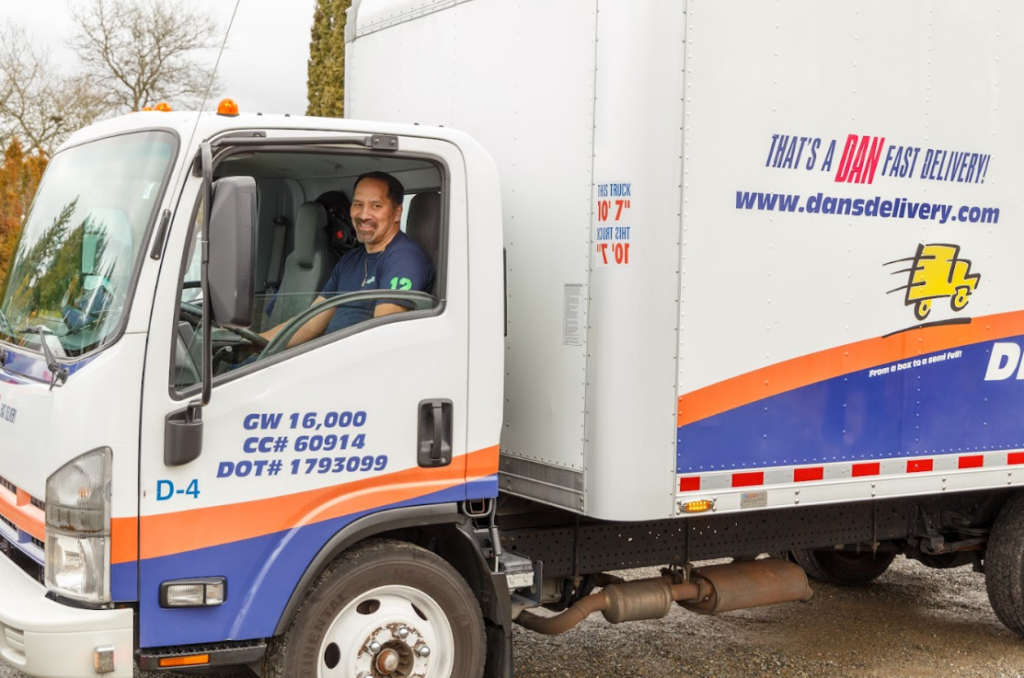
Dan’s Delivery provides specialized support for navigating the challenges of the Revive I-5 Ship Canal Bridge 2026 project. With strong regional knowledge, our company designs routes that avoid congestion and align with current road conditions.
By accounting for Washington spring load restrictions and adjusting delivery schedules, we help businesses maintain reliable service even during peak construction periods.
Our localized expertise supports efficient, dependable freight movement across the Puget Sound region.
Ship With Confidence During the Revive I-5 Ship Canal Bridge 2026 Project
The Revive I-5 Ship Canal Bridge 2026 Project, lane reductions, and seasonal weight limits have reshaped freight movement across Seattle and the surrounding region. Shippers who adapt through strategic routing and planning maintain efficiency despite ongoing challenges.
A flexible approach to logistics supports consistent delivery performance, even as conditions continue to evolve.
If you’d like a trusted local delivery service to handle everything for you, contact us today.